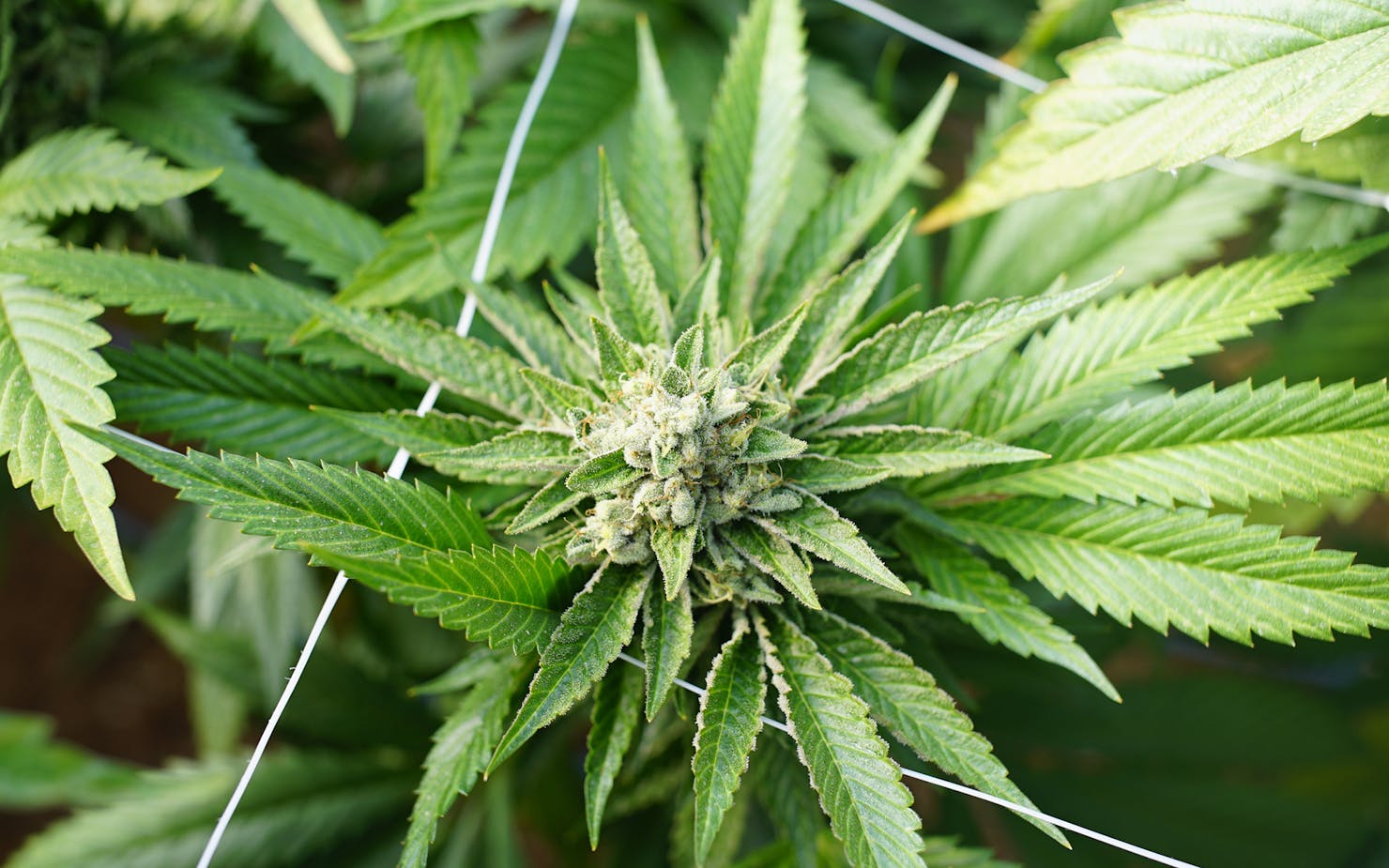
Cannabis testing allows consumers to make informed purchasing decisions based on the strength and composition of cannabis products. Accurate testing is crucial for medical cannabis patients who need specific therapeutic effects. It’s also important for adult-use consumers because products vary widely in their potency, which will influence the experience.
There is a variety of cannabis testing methods used to evaluate safety, quality, and potency information to consumers. While the specific testing requirements vary by state, a few major testing procedures are common throughout the industry. Potency information in particular is a considerable drive for cannabis testing to provide information on THC and CBD levels in cannabis products.
Testing Cannabis Products for THC and CBD Levels
Cannabinoid potency data quantifies levels of plant cannabinoids present in cannabis products. Producers are required to obtain potency data for THC and CBD, the two most common cannabinoids. It’s important for consumers to know THC and CBD levels because these will have a strong influence on the effects of the product. For example, some medical patients may want a strain with a high CBD:THC ratio, while adult-use consumers may request the opposite.
Other compounds, such as minor cannabinoids and terpenes, can be tested for as well, although these measurements are typically not required by law. For this article, we’ll focus on potency testing for THC and CBD.
How Do Labs Measure THC and CBD Levels?
There is a variety of ways to measure THC and CBD concentrations. The most common technique is called High Performance Liquid Chromatography (HPLC). HPLC can separate and quantify a mixture of chemicals in liquid solution.
In HPLC, a sample is collected from cannabis flower mixed with a solvent such as ethanol. The solution is then pumped at high pressure through a tube. The tube contains a material that attracts some molecules in the sample based on their chemical properties. At the end of the column is a detector. Compounds that are attracted to the material inside the tube will travel slower and reach the detector later.
HPLC detectors typically measure UV light absorbance, which can be associated with specific molecules. When the molecules reach the detector, their relative abundance is measured. Because different cannabinoids, like THC and CBD, travel at different speeds through the column, they will be detected at different times, allowing for characterization of the sample.
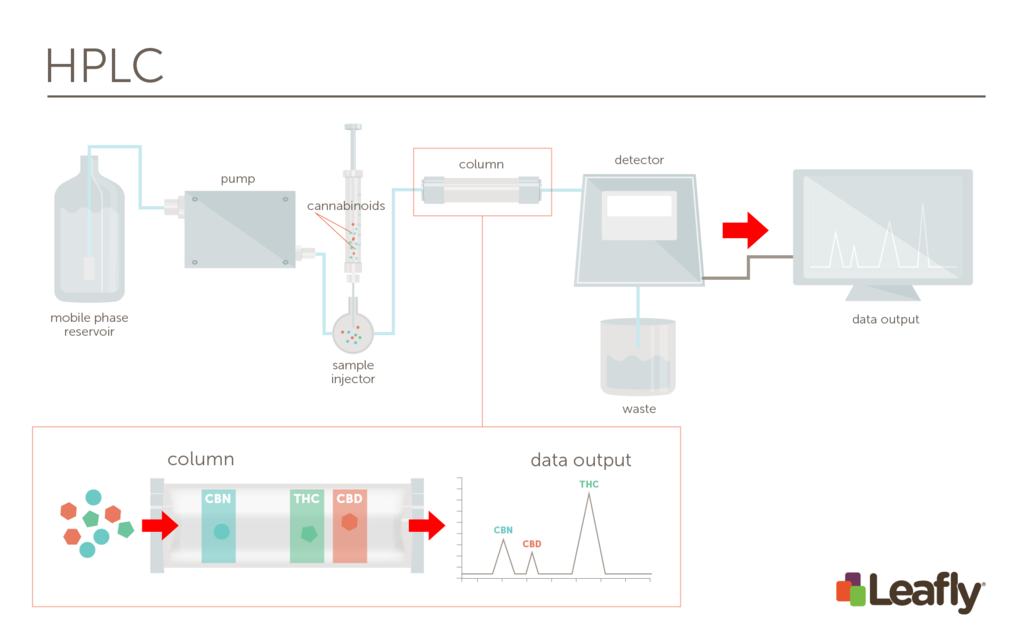
Figure 1: General Overview of HPLC Process. The cannabis sample is injected into the system and the cannabinoids move through the column. Interactions between the cannabinoids and the column determine how fast each type of cannabinoid can travel through the tube. The detector quantifies the presence of each type of cannabinoid based on how long it takes to be detected. (Photo credit: Amy Phung/Leafly)
The THC and CBD values listed on the back of cannabis packaging come from these laboratory measurements. Since the values obtained in the laboratory are referred to directly by the consumer for product information, accurate potency testing is imperative.
You can run your own DIY chromatography experiment at home using a strip of white construction paper, a black marker (you may need to find a specific type that will work well with this experiment), and a glass of water.
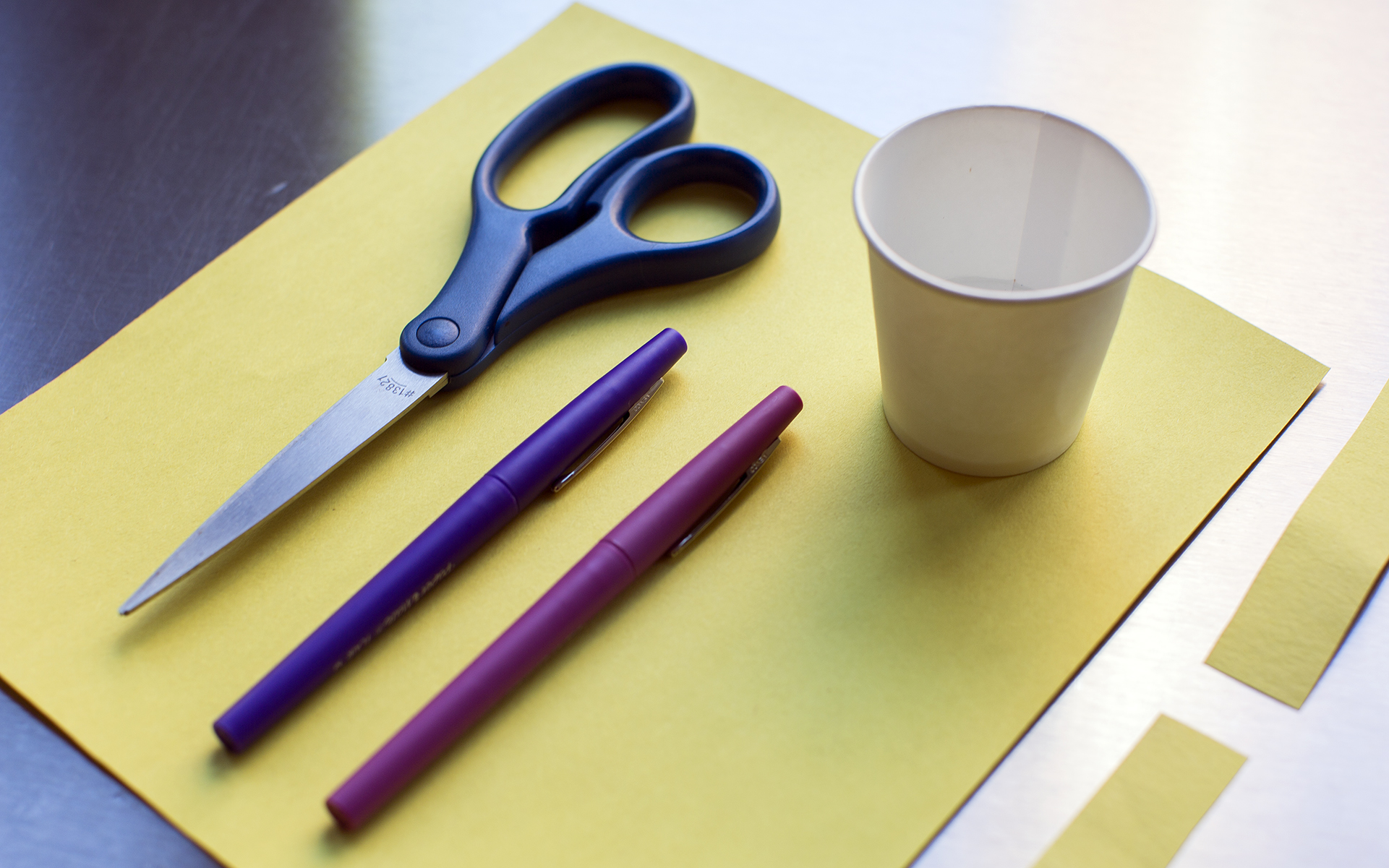
(Julia Sumpter/Leafly)
Use the black marker to draw a line across the strip, parallel to the paper’s edge. Sit the paper strip upright into the glass of water, making sure the marker line is just above the water.
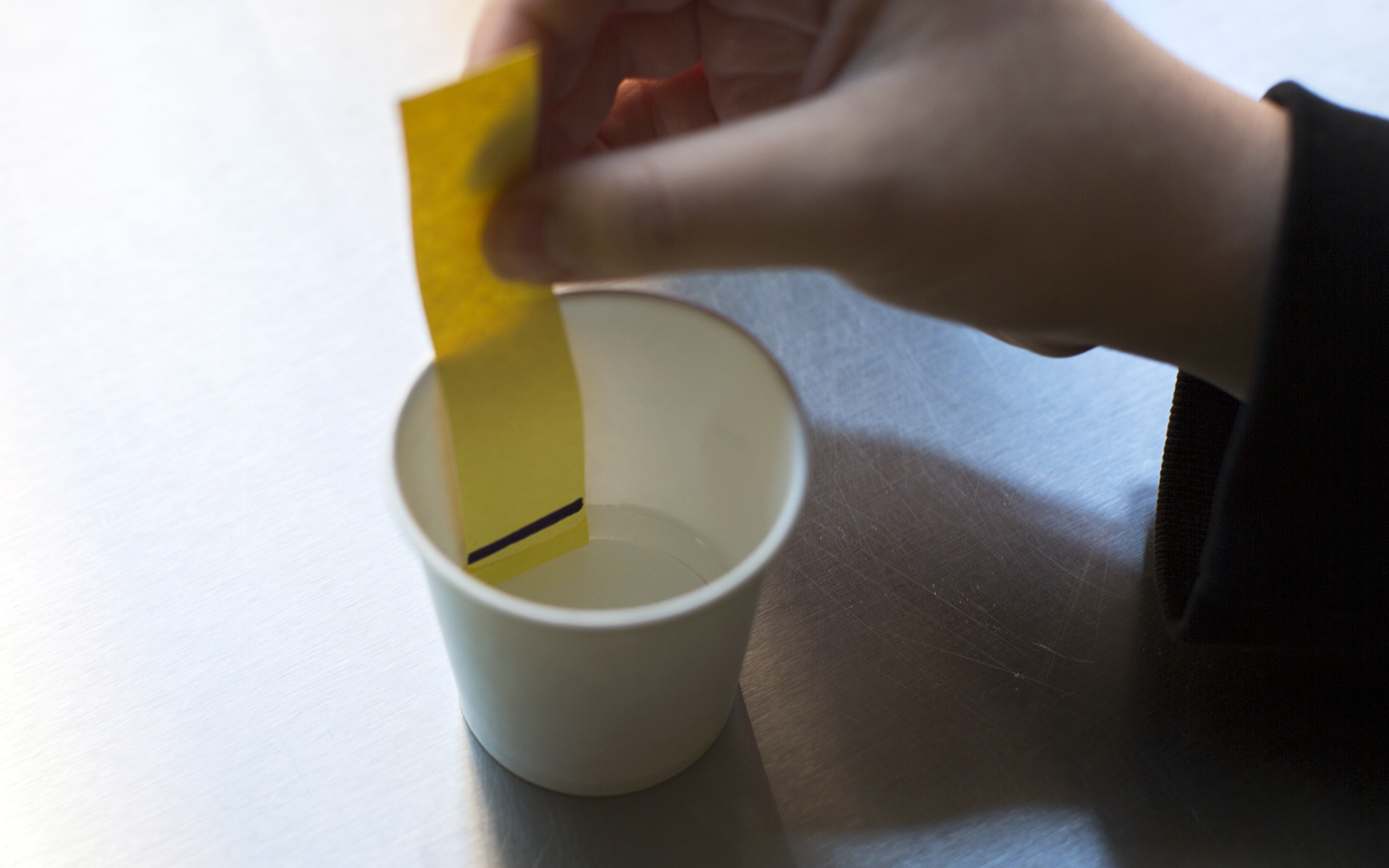
(Julia Sumpter/Leafly)
Wait several minutes. The water will travel up the paper and separate the pigments in the marker.
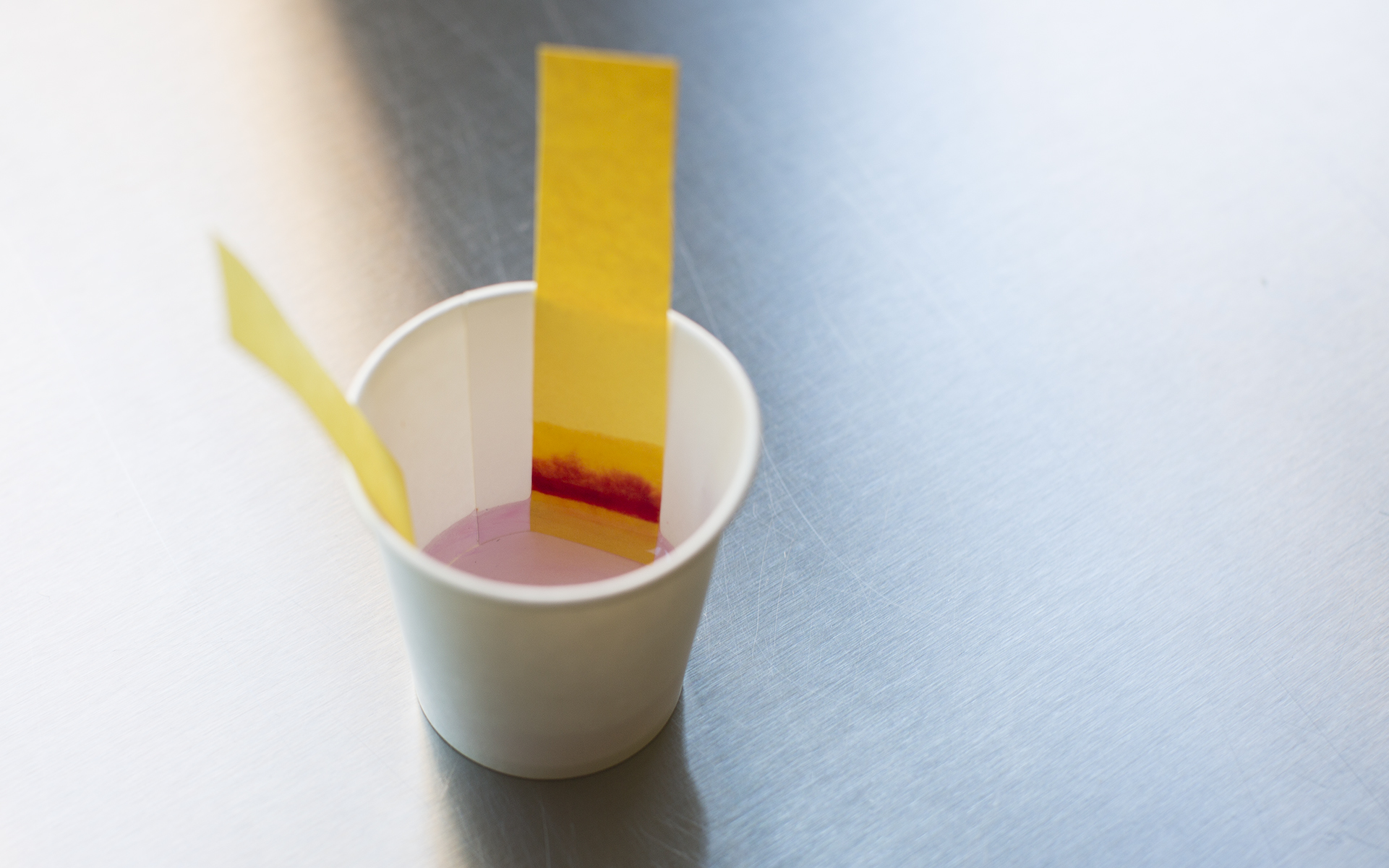
(Julia Sumpter/Leafly)
Terpenes are more volatile than cannabinoids and require a different method of chromatography for detection. High volatility means that terpenes evaporate easily and are usually found in a gaseous state, whereas cannabinoids are stable in liquid solution. Due to the volatility of terpenes, a different lab technique is preferred.
Shop highly rated dispensaries near you
Showing you dispensaries nearCannabis Testing Standardization
According to Confidence Analytics, a state-certified laboratory in Washington, “there are no strong regulations in place about how cannabis chemicals are measured. However, HPLC has emerged as the dominant technique for measuring cannabinoids.” In other industries, there are specific guidelines on testing methods and settings for laboratory equipment.
This lack of regulation can lead to discrepancies in potency data and inaccurate cannabinoid data. States are pushing to standardize cannabis testing and ensure that potency values are consistent across laboratories. In Washington state, a group of I-502 accredited laboratories are undergoing a “round robin,” measuring the potency of an unknown cannabis sample and comparing the results between laboratories. If proper testing practices are in place at each laboratory, reported potency data should be similar across the board.
(Note: Leafly is actively involved in the push to standardize cannabis testing as a member of The Cannabis Alliance, a group designed to promote transparency in the industry.)
A wide variety of testing should be completed to ensure the safety and quality of cannabis products. Distinct testing methods are used to collect data on terpenes, contamination, and residual solvent levels. Consistent and accurate testing is important for industry transparency and consumer safety.
Unfortunately, there has been controversy surrounding potency testing methods, with suspected inflation of THC concentration in some cases. Implementing standards for cannabis testing procedures has been challenging, as the requirements vary significantly from state-to-state. Consequently, the industry needs to push for a general, national standard for cannabis testing to ensure accurate potency reporting.


