We use cookies for certain features and to improve your experience. See our Cookie Policy and Privacy Policy to learn more

Leafly

Shop legal, local weed.

Open
advertise on Leafly
ShopDeliveryDispensariesDealsStrainsBrandsProductsCBDDoctorsCannabis 101Social impact
  • Sign in
  • Create account
  • Strains
  • Shop
  • Shop
  • Delivery
  • Deals
  • Dispensaries
  • CBD Stores
  • Brands
  • Products
  • Learn
  • Cannabis 101
  • News
  • Leafly Learn
  • Science of cannabis
  • Doctors
  • Social impact
  • Lab partners
  • Download the Leafly App
  • Advertise on Leafly
    • Leafly.comUSA flag
    • Leafly.caCanadian flag
  • Help
  1. Home
  2. News
  3. Science & tech
  4. What is CBGA (Cannabigerolic Acid) & what does this cannabinoid do?
  • News
  • Cannabis 101
  • Growing
  • Strains & products
  • CBD
  • Politics
  • Health
  • Lifestyle
  • Science & tech
  • Industry
  • Reports
  • Canada
  • Podcasts
  • Leafly Lists
Science & tech

What is CBGA (Cannabigerolic Acid) & what does this cannabinoid do?

Jacqueline HavelkaLast updated January 25, 2021
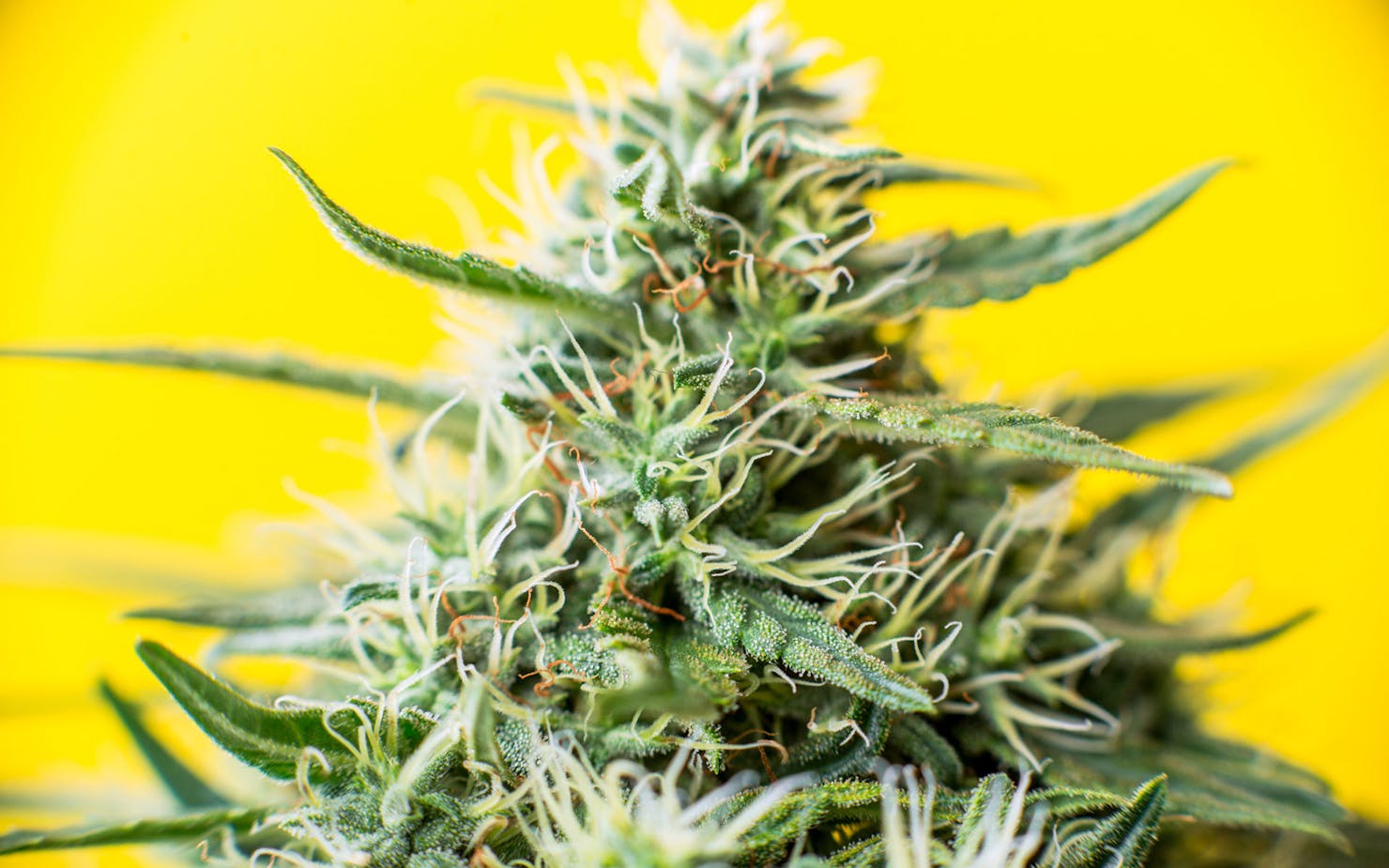
(Yarygin/iStock)

CBGA, or cannabigerolic acid, is one of many minor cannabinoids produced by the cannabis plant.

Unsure of what a “cannabinoid” is? These are compounds cannabis produces that interact with a network of receptors in our body, known as the endocannabinoid system.

Related
Endocannabinoid System: Simple & Comprehensive Guide

Performing a protective function for cannabis, CBGA is produced in the plant’s  trichomes and triggers targeted plant cell necrosis for natural leaf pruning to allow the plant to maximize energy directed toward the flower.

CBGA is a foundational compound of the cannabis flower. In fact, you might think of CBGA as the “granddaddy” of cannabinoids. Why? Because CBGA is at the top of the cascade reaction that produces the three major cannabinoid lines:

  • THCA (tetrahydrocannabinolic acid)
  • CBDA (cannabidiolic acid)
  • CBCA (cannabichromenic acid)

These eventually become THC, CBD, or CBC, respectively. CBGA may also convert to CBG, but in a majority of strains, CBGA eventually converts into either THC or CBD.

Figure 1: CBGA is the chemical precursor of THCA, CBDA, and CBCA (not shown). Enzymes within cannabis turn CBGA into either THCA or CBDA, which can be subsequently decarboxylated (“activated”) by light or heat energy to create THC or CBD. (Amy Phung/Leafly)

The Discovery of CBGA

Scientists have known about CBG (cannabigerol) for over 50 years. Israeli researchers were the first to isolate the cannabinoid, and 30 years later, Japanese researchers were the first to reveal that CBGA was its precursor. Despite the long history, minimal research has been conducted on CBGA to date.

Most of that CBGA research has focused on sustainable production of THCA for pharmaceutical and research uses. This research specifically has looked at the mechanism of converting CBGA into THCA.

Researchers have demonstrated a consistent way of replicating the cannabinoid in a species of yeast known as Pichia pastoris, one that is widely used for recombinant DNA protein. Research teams have even done computational modeling to optimize production, and in 2019, a California research team published their work on complete synthesis of cannabinoids, including CBGA, from yeast derivatives.

Potential Medical Benefits of CBGA

While there is very little medical research yet conducted on CBGA, early studies provide some hints about its potential applications down the road.

Cardiovascular Disease

CBGA may help diabetic patients combat some of the disease’s complications and comorbidities like cardiovascular disease. CBGA was studied in vitro and found to greatly inhibit the enzyme aldose reductase, a major contributor of the oxidative stress that leads to heart and other problems. As expected, the results of the CBGA tests were highly dose dependent. Synthetic inhibitor medications have severe side effects for many patients, so a CBGA plant-derived drug is a promising prospect.

Related
A list of major cannabinoids in cannabis and their effects

Metabolic Disorders

Another research team discovered that CBGA may also help patients with other metabolic disorders. The 2019 in silico study (computer simulation) was performed to look at CBGA’s role in activating peroxisome proliferator activated receptors (PPARs) that regulate metabolism. When PPARs do not function properly, people develop diseases like diabetes and high levels of cholesterol or triglycerides (dyslipidemia). This study showed that CBGA activated the PPAR receptors, stimulating lipid metabolism and thereby reducing excess lipid accumulation. The study needs to be repeated in animal and human trials.

Colon Cancer

Finally, CBGA may one day prove crucial for patients with colorectal cancer, the third most common cancer and fourth leading cause of cancer-related death. Researchers looked at cytotoxic effects of CBGA extracted from cannabis, and found that not only did the CBGA kill colon cancer cells, but it hastened early cancer cell death and arrested the cancer cell cycle. While more research is definitely needed, the researchers were encouraged that CBGA may effectively target not only colon cancer cells, but could also prevent the growth and proliferation of polyps. Left untreated, these polyps grow into carcinomas.

There is an enormous lack of research regarding all aspects of CBGA consumption. While some anecdotal reports discuss juicing and ingesting CBGA from hemp, it’s always recommended to consult your doctor before taking experimentation into your own hands.

Shop highly rated dispensaries near you

Showing you dispensaries near
See all dispensaries
  • Loading...
    Loading...Loading...
    Loading...
    Loading...Loading...
    Loading...Loading...
  • Loading...
    Loading...Loading...
    Loading...
    Loading...Loading...
    Loading...Loading...
  • Loading...
    Loading...Loading...
    Loading...
    Loading...Loading...
    Loading...Loading...
  • Loading...
    Loading...Loading...
    Loading...
    Loading...Loading...
    Loading...Loading...
  • See all dispensaries
See all dispensaries
AuroracannabinoidsLeafly Cannabis Guide
Jacqueline Havelka
Jacqueline Havelka
Jacqueline Havelka is a contributing writer for Leafly. She's a rocket scientist turned writer, having worked in the space program for many years managing experiments on the Space Station and Shuttle. Jacqueline currently owns her own firm, Inform Scientific, specializing in technical and medical writing and research program management. When she’s not writing, she is likely watching college football.
View Jacqueline Havelka's articles

The latest in Science & tech

  • Researchers say cannabis may help treat Covid-19 image
    Researchers say cannabis may help treat Covid-19
    Emily Earlenbaugh
  • Weed & exercise Part III: Can cardio make you fail a drug test? image
    Weed & exercise Part III: Can cardio make you fail a drug test?
    Nick Jikomes, PhD
  • How THC impacts your heart, lungs & exercise performance image
    How THC impacts your heart, lungs & exercise performance
    Nick Jikomes, PhD
  • Here’s the euphoric chemistry behind your runner’s high image
    Here’s the euphoric chemistry behind your runner’s high
    Nick Jikomes, PhD
Get good reads, local deals, and strain spotlights delivered right to your inbox.

By providing us with your email address, you agree to Leafly's Terms of Service and Privacy Policy.


Stay In Touch

Receive updates on new products, special offers, and industry news.

Something went wrong, please try again.

By providing us with your email address, you agree to Leafly’s Terms of Service and Privacy Policy.

Leafly mobile app
Get high for less.
Download the Leafly app.
Download Leafly: Marijuana Reviews on the App StoreDownload Leafly Marijuana Reviews on Google Play

Business Solutions
  • List your store
  • List your CBD store
  • List your brand
  • List your practice
  • Business log in

About Leafly
  • About us
  • Careers
  • Newsroom
  • Investor relations
  • Contact us
  • FAQs
  • Accessibility

Dispensaries in
  • Los Angeles
  • Seattle
  • Portland
  • San Francisco
  • Toronto
  • Detroit

Privacy & Terms
  • Terms of use
  • Commercial terms of use
  • Privacy policy
  • Do not sell my personal information

* Statements made on this website have not been evaluated by the U.S. Food and Drug Administration. These products are not intended to diagnose, treat, cure or prevent any disease. Information provided by this website or this company is not a substitute for individual medical advice.


© 2025 Leafly, LLC
Leafly and the Leafly logo are registered trademarks of Leafly, LLC. All Rights Reserved.