This article is sponsored by PlusCBD Oil, a product line from CV Sciences (formerly CannaVest). CV Sciences is one of the leading suppliers and manufacturers of agricultural hemp-derived CBD bulk and finished products.
Yes, you read that headline correctly, and while this may seem like a rhetorical question with an obvious answer, the query has been popping up on forums, in dispensaries, and across specialty natural products stores within the cannabis industry and various media platforms. Let’s take a closer look at CBD types in an effort to try and glean some insight.
Hemp vs. Cannabis-Derived CBD

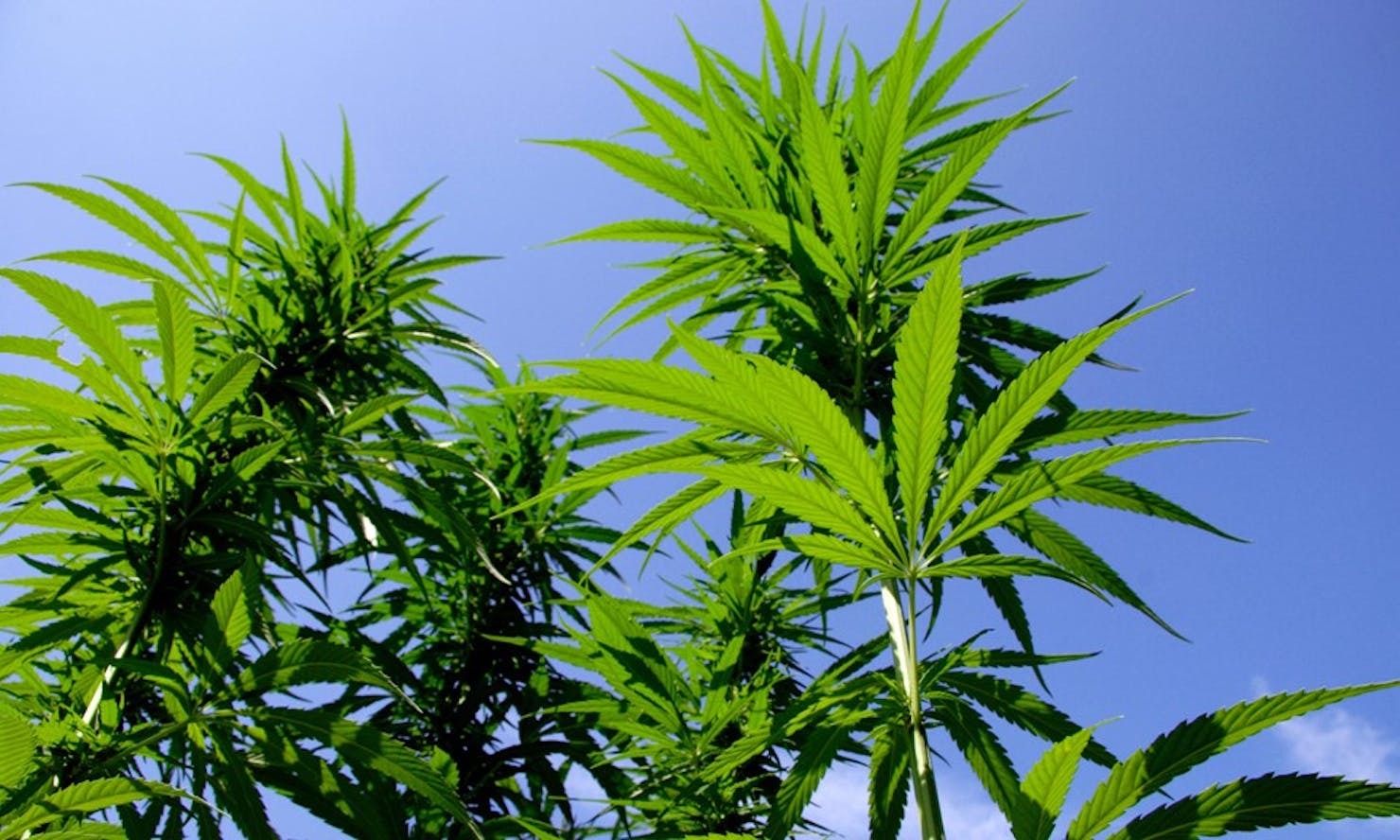
We know that hemp is a non-intoxicating variety of Cannabis Sativa L., but many people wonder if CBD sourced from low-THC/high-CBD strains of cannabis (in this instance, agricultural hemp at less than 0.3% THC concentration) is the same as or comparable to CBD sourced from higher-THC/lower-CBD cannabis (i.e., marijuana). To be clear, whether or not CBD from a low-THC vs. high-THC plant is better/worse/the same because of the presence of other non-CBD molecules (also known as the “entourage effect”) is an entirely different question, and one that could vary wildly depending on both the type of ailment/disease the patient is trying to relieve and his or her physiological differences.
CBD-rich strains of cannabis that categorize the plant as “hemp” (less than 0.3% THC content) vs. “marijuana” (greater than 0.3% THC) are driven by the expression of genotypes that direct their phenotypic characteristics. The genotypes of various cannabis strains dictate the biosynthetic pathways that result in different phenotypes and variations in cannabinoid, terpene, stilbene, and flavonoid profiles, or “fingerprints.”
The Science of CBD Molecules (or Yeah, Mr. White! Yeah, Science!)

For those of you whose eyes have glazed over because you typically handle organic chemistry with extreme aversion, a) we don’t blame you, and b) bear with us here. Basically, the laws of physics, chemistry, physical chemistry, and biochemistry remain the same whether a molecule is synthesized within and sourced from a cannabis hemp plant or a cannabis marijuana plant. A molecule of any compound is composed of a specific arrangement and configuration of atoms with a specific bonding pattern. The strain of cannabis plant, regardless of its percentage or ratio of CBD/THC, does not change these fundamental truths.
Furthermore, from a physiological standpoint, the human body does not recognize whether a CBD compound was sourced from hemp or a high-THC strain of cannabis – all of the body’s biologic activity, interactions with various enzymes, and receptors specific to CBD also remains the same. Human physiology does not make a conscious decision to treat CBD differently because it was sourced from whole-plant hemp material vs. whole-plant marijuana material.
An Orange by Any Other Name

However, although the CBD compound itself is the same, it’s a different matter as to whether CBD from different plants interact with their distinct cannabinoid and flavonoid profiles in a unique way. There are over 90 other cannabinoid compounds that have been characterized in cannabis, the majority of which have yet to be studied more extensively in biological systems. Thus, we’re still in the dark as to how exactly these cannabinoids interact with each other and whether they contribute to CBD’s non-euphoric, anti-inflammatory, anxiolytic, antipsychotic, metabolic health, and neuroprotective benefits as part of an “entourage effect.”
We can draw an analogy from vitamin C derived from oranges being “different” than that from grapefruits or acerola cherries. Although it’s different in that it’s produced from different fruits, vitamin C retains its same chemical and biologic characteristics irrespective of the source.
The very same can be said about the CBD, CBC, CBG, THC, or any other cannabinoid not being “different” despite being sourced from different strains of cannabis. Although the CBD compound itself is the same whether it’s derived from agricultural hemp or a higher-THC cannabis strain, and the human body treats them the same, more research is needed to examine the relationship between CBD and other cannabinoids to see whether these additional compounds interact in a way that impacts the effects administered to the consumer.
In the near future we’ll be able to better determine how the entourage effect of different cannabis compounds working together creates a synergy of effects. There’s still much to discover about this wondrous plant!
References:
Peschel W, Politi M. ¹H NMR and HPLC/DAD for Cannabis sativa L. chemotype distinction, extract profiling and specification. Talanta. 2015 Aug 1;140:150-65.
Onofri C, de Meijer EP, Mandolino G. Sequence heterogeneity of cannabidiolic- and tetrahydrocannabinolic acid-synthase in Cannabis sativa L. and its relationship with chemical phenotype. Phytochemistry. 2015 Aug;116:57-68.
Hillig KW, Mahlberg PG. A chemotaxonomic analysis of cannabinoid variation in Cannabis (Cannabaceae). Am J Bot. 2004 Jun;91(6):966-75.
Eager to read more about CBD and cannabinoids? Check out these 5 promising cannabis studies that explore how cannabinoids interact with the human body:


