We use cookies for certain features and to improve your experience. See our Cookie Policy and Privacy Policy to learn more

Leafly

Shop legal, local weed.

Open
advertise on Leafly
ShopDeliveryDispensariesDealsStrainsBrandsProductsLeafly PicksCBDDoctorsCannabis 101Social impact
  • Sign in
  • Create account
  • Strains
  • Shop
  • Shop
  • Delivery
  • Deals
  • Dispensaries
  • CBD Stores
  • Brands
  • Products
  • Leafly Picks
  • Learn
  • Cannabis 101
  • News
  • Leafly Learn
  • Science of cannabis
  • Doctors
  • Social impact
  • Lab partners
  • Download the Leafly App
  • Advertise on Leafly
    • Leafly.comUSA flag
    • Leafly.caCanadian flag
  • Help
  1. Home
  2. News
  3. Politics
  4. ‘Worry About Bad Marijuana—Not Big Marijuana,’ Says DC Think Tank
  • News
  • Cannabis 101
  • Growing
  • Strains & products
  • CBD
  • Politics
  • Health
  • Lifestyle
  • Science & tech
  • Industry
  • Reports
  • Canada
  • Podcasts
  • Leafly Lists
Politics

‘Worry About Bad Marijuana—Not Big Marijuana,’ Says DC Think Tank

Bruce BarcottLast updated July 28, 2020

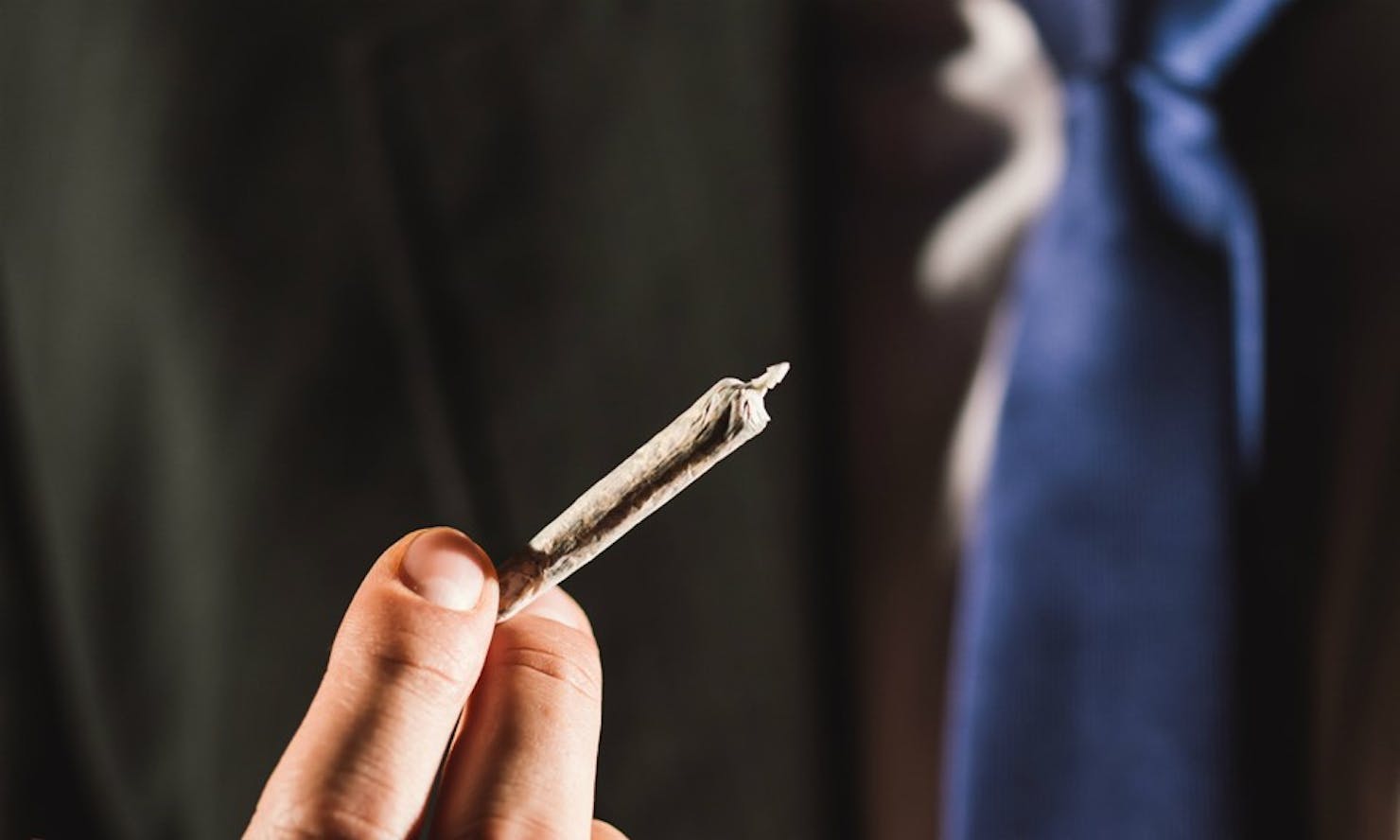
The phrase “Big Marijuana” is tossed around a lot these days, mostly by prohibitionists struggling to stem the tide of legalization that’s washing over America. The phrase purposely links the emergence of legal, regulated cannabis to the most notorious, lying, death-peddling industry of the 20th century: Big Tobacco. In case the point is too subtle, Project SAM, the nation’s most visible prohibitionist group, uses it in their motto: “Preventing Another Big Tobacco.” And state anti-legalization groups like Arizonans for Responsible Drug Policy hammer the phrase in their tweets:

Recreational marijuana legalization is all about Big Marijuana profits at the expense of public health and safety. pic.twitter.com/2fAEHf5G6O

— ARDP (@AZ4RDP) June 14, 2016

The phrase is also used by old-guard cannabis pros who are skeptical of the new generation of entrepreneurs entering the industry. To them, “Big Marijuana” means companies run by suits, pushing the smaller players out of the market.

While the theoretical Big Marijuana exists in plenty of people’s minds, the reality of Big Marijuana is complete bunk, according to a new paper published this morning by the Brookings Institution. The venerable Washington, D.C. think tank describes Big Marijuana as a myth peddled by prohibitionists and those who fear the coming of competitive, state-regulated cannabis markets.

“Worry about bad marijuana — not Big Marijuana,” say Brookings senior fellows John Hudak and Jonathan Rauch.

First of all, they write, nobody is clear on what, exactly, Big Marijuana is. “The term is tossed about so freely and flippantly that it has come to be a catch-all moniker with no consistent meaning, except insofar as it is consistently pejorative.” It implies “suspicion of or even opposition to the profit motive.”

That skepticism overlooks the fact that the marijuana market under prohibition “is no stranger to the profit motive and does not shrink from marketing to heavy users and minors.”

Indeed, the phrase has become such a catch-all that it’s now used to describe anything and anyone involved in a cannabis enterprise. The Colorado Springs Gazetterecently described a tiny Colorado-based edibles company, Gaia’s Garden, as “Big Marijuana.”

Please: Gaia’s Garden is so small its website contains a logo that misspells the company’s own name.

Gaia's Garden logo, misspelled. Image via Gaia's Garden

Image via Gaia’s Garden

Hudak and Rausch acknowledge the potential downsides of a legal cannabis industry dominated by a few large players: the risk of antisocial marketing that targets minors and problem users; regulatory capture by an industry more powerful than the government agencies that oversees it; a potential increase in the price of medical cannabis; and higher barriers to market entry for start-ups and small players.

But larger cannabis companies also offer potential advantages to society and consumers, they write. They include: Large companies can more easily comply with state regulations; a large investment in brand reputation can make a large company more responsive to ethical concerns; larger companies may operate with higher business acumen; and they may offer greater product quality and consistency, and help stabilize the overall market.

How should legislators and government agencies handle these fears and possibilities? “The starting point should be neutrality as to corporate size and structure,” Hudak and Rausch advise. Rather than shape the emerging market, “government should seek to create a regulatory environment in which markets can be successful at doing what markets do well: capitalizing businesses, ensuring regular supply, finding and generating efficiencies.” Regulations, laws, taxes, and incentives should be put in place “with an eye toward avoiding specific harmful practices.”

In the end, the Brookings senior fellows conclude, “regulating this new marketplace will not be easy. But regulating against a bogeyman will make that job even harder.”

Shop highly rated dispensaries near you

Showing you dispensaries near
See all dispensaries
  • Loading...
    Loading...Loading...
    Loading...
    Loading...Loading...
    Loading...Loading...
  • Loading...
    Loading...Loading...
    Loading...
    Loading...Loading...
    Loading...Loading...
  • Loading...
    Loading...Loading...
    Loading...
    Loading...Loading...
    Loading...Loading...
  • Loading...
    Loading...Loading...
    Loading...
    Loading...Loading...
    Loading...Loading...
  • See all dispensaries
See all dispensaries
businessIndustrylegalizationWashington DC
Bruce Barcott
Bruce Barcott
Leafly Senior Editor Bruce Barcott oversees news, investigations, and feature projects. He is a Guggenheim Fellow and author of Weed the People: The Future of Legal Marijuana in America.
View Bruce Barcott's articles

The latest in Politics

  • Cannabis rescheduling just sped up: What you need to know about the executive order image
    Cannabis rescheduling just sped up: What you need to know about the executive order
    Morgan Rosendale
  • How US import tariffs are impacting cannabis prices and products image
    How US import tariffs are impacting cannabis prices and products
    Leafly Staff
  • Ohioans must activate to defend cannabis freedoms from lawmakers image
    Ohioans must activate to defend cannabis freedoms from lawmakers
    David Downs
  • Montanans must activate to protect legalization in 2025 image
    Montanans must activate to protect legalization in 2025
    David Downs
Get good reads, local deals, and strain spotlights delivered right to your inbox.

By providing us with your email address, you agree to Leafly's Terms of Service and Privacy Policy.


Stay In Touch

Receive updates on new products, special offers, and industry news.

Something went wrong, please try again.

By providing us with your email address, you agree to Leafly’s Terms of Service and Privacy Policy.

Leafly mobile app
Get high for less.
Download the Leafly app.
Download Leafly: Marijuana Reviews on the App StoreDownload Leafly Marijuana Reviews on Google Play

Business Solutions
  • List your store
  • List your CBD store
  • List your brand
  • List your practice
  • Business log in

About Leafly
  • About us
  • Careers
  • Newsroom
  • Investor relations
  • Contact us
  • FAQs
  • Accessibility

Dispensaries in
  • Los Angeles
  • Seattle
  • Portland
  • San Francisco
  • Toronto
  • Detroit

Privacy & Terms
  • Terms of use
  • Commercial terms of use
  • Privacy policy
  • Do not sell my personal information

* Statements made on this website have not been evaluated by the U.S. Food and Drug Administration. These products are not intended to diagnose, treat, cure or prevent any disease. Information provided by this website or this company is not a substitute for individual medical advice.


© 2025 Leafly, LLC
Leafly and the Leafly logo are registered trademarks of Leafly, LLC. All Rights Reserved.