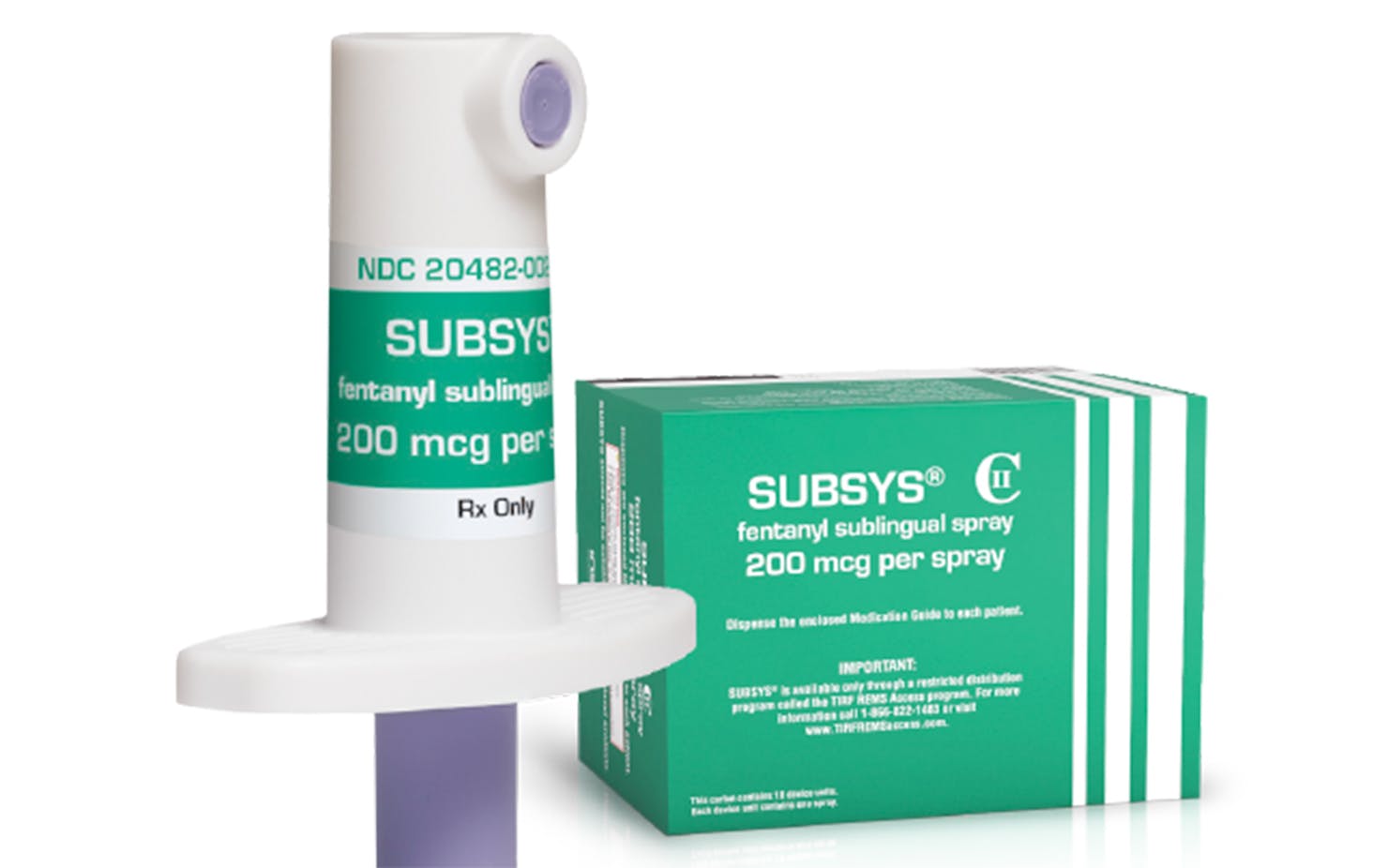
On Aug. 31, Insys Therapeutics, the corporation that manufactures fentanyl, donated half a million dollars to the campaign to defeat cannabis legalization in Arizona.
Once in a while there are moments that make legalization advocates pause and reflect on the reasons we fight for this cause. Many of us experienced one such moment yesterday when the Insys news crossed our desks.
Fentanyl is the synthetic opioid, cheaper and stronger than heroin, that’s turning North America’s opioid crisis into a catastrophe. Fentanyl is the drug that killed Prince. It’s up to 50 times more powerful than heroin. Pockets of the Midwest and Northeast are getting shredded by fentanyl. In July alone, the town of Akron, Ohio, documented nearly 300 overdoses and two dozen deaths linked to the drug. A surge in fentanyl-related overdose deaths recently forced officials in British Columbia to declare a public health emergency.
Fentanyl’s maker, Insys Therapeutics, is based in Chandler, Ariz., a suburb of Phoenix. As a paragon of shady pharmaceutical-company ethics and practices, Insys gives Martin Shkreli’s Turing Pharmaceuticals and EpiPen maker Mylan a run for their money.
“The conduct that we saw (from Insys) in this case was among the most unconscionable that I've seen.”
Three months ago, federal agents arrested two Insys officials in New York state for allegedly carrying out a kickback scheme that paid physicians to encourage their patients to use fentanyl. That indictment came four months after an Insys regional manager pleaded guilty to similar charges of rigging a doctor kickback scheme in the South.
Other state attorneys general continue to investigate the company’s practices. As more laws are broken, more patients become addicted, and more people die. Meanwhile, Insys continues to report record revenues.
A CNBC special report on Insys included this remarkable observation from Oregon Assistant Attorney General David Hart:
“I’ve been investigating drug cases for about 15 years now, and the conduct that we saw [from Insys] in this case was among the most unconscionable that I’ve seen. There was harm done to patients on a level I’m not used to seeing.”
Why would Insys care about cannabis legalization? Because cannabis is a major threat to its market.
A reported 28,647 Americans died from opioid-related overdoses in 2014. In the past century, the number of people who died from cannabis overdoses is exactly zero.
In recent years, researchers have documented a clear phenomenon: In states that legalize medical marijuana, opioid usage and overdose rates decline dramatically. Patients seeking relief from chronic pain are finding medical cannabis to be a safer, cheaper, more reliable form of relief that comes without the side effects of physical addiction and possible death. Castlight Health, a California health information and technology company, found in a recent report on opioid abuse that “states with medical marijuana laws have a lower opioid abuse rate than those that don’t.”
Shop highly rated dispensaries near you
Showing you dispensaries nearTwo years ago a team from Johns Hopkins, the University of Pennsylvania, and the Albert Einstein College of Medicine reported in the Journal of the American Medical Association (JAMA) that the enactment of medical cannabis laws is associated with significantly lower opioid overdose death rates. “States with medical cannabis laws had a 24.8 percent lower mean annual opioid overdose mortality rate compared with states without medical cannabis laws,” they wrote.
That correlation strengthened over time, meaning the opioid mortality rate dropped further the longer each legal medical marijuana system was in effect.
In 2015, researchers at the RAND BING Center for Health Economics asked the question: “Do Medical Marijuana Laws Reduce Addiction and Deaths Related to Pain Killers?” The answer was an unequivocal yes.
The RAND health economists found that legalizing medical marijuana led to an 18 percent decrease in opioid-related deaths. States that allowed dispensaries to serve patients saw even larger opioid death decreases, “suggesting that dispensary allowances reduce opioid overdose deaths relative to just allowing medical marijuana.”
An 18 percent reduction in the number of people killed in 2014 by opioid-related overdoses would have saved the lives of 5,156 Americans that year. Reducing that number by 24.8 percent (as in the JAMA study) would have saved the lives of 7,104 daughters, sons, mothers, fathers, aunts, uncles, coaches, employees, managers, friends, relatives, and neighbors.
It also might have dampened the profits of Insys and other opioid manufacturers. Arizona already allows medical marijuana — Initiative 205 vote would allow adult use — but the continuing growth of the legalization movement represents a threat to the expansion of the fentanyl market across the continent. That’s why the company invested $500,000 to defeat legalization in its home state. And it’s why voters in Arizona should send a resounding message in favor of safety, sanity, and legalization in November.


