We use cookies for certain features and to improve your experience. See our Cookie Policy and Privacy Policy to learn more

Leafly

Shop legal, local weed.

Open
advertise on Leafly
ShopDeliveryDispensariesDealsStrainsBrandsProductsLeafly PicksCBDDoctorsCannabis 101Social impact
  • Sign in
  • Create account
  • Strains
  • Shop
  • Shop
  • Delivery
  • Deals
  • Dispensaries
  • CBD Stores
  • Brands
  • Products
  • Leafly Picks
  • Learn
  • Cannabis 101
  • News
  • Leafly Learn
  • Science of cannabis
  • Doctors
  • Social impact
  • Lab partners
  • Download the Leafly App
  • Advertise on Leafly
    • Leafly.comUSA flag
    • Leafly.caCanadian flag
  • Help
  1. Home
  2. Leafly Learn
  3. Cannabis Glossary
  4. M
  5. Mycotoxin
  • a
  • b
  • c
  • d
  • e
  • f
  • g
  • h
  • i
  • j
  • k
  • l
  • m
  • n
  • o
  • p
  • q
  • r
  • s
  • t
  • u
  • v
  • w
  • x
  • y
  • z
  • #
  • Marijuana
  • Marinol
  • Matrix/puck/pineapple perc
  • Me vs. the weed
  • Medical marijuana
  • Menthol
  • Microbials
  • Micron grade
  • Micron screen
  • Mid
  • Moisture content
  • Moon rocks
  • Mota
  • MSO
  • Mycotoxin
  • Myrcene

Mycotoxin

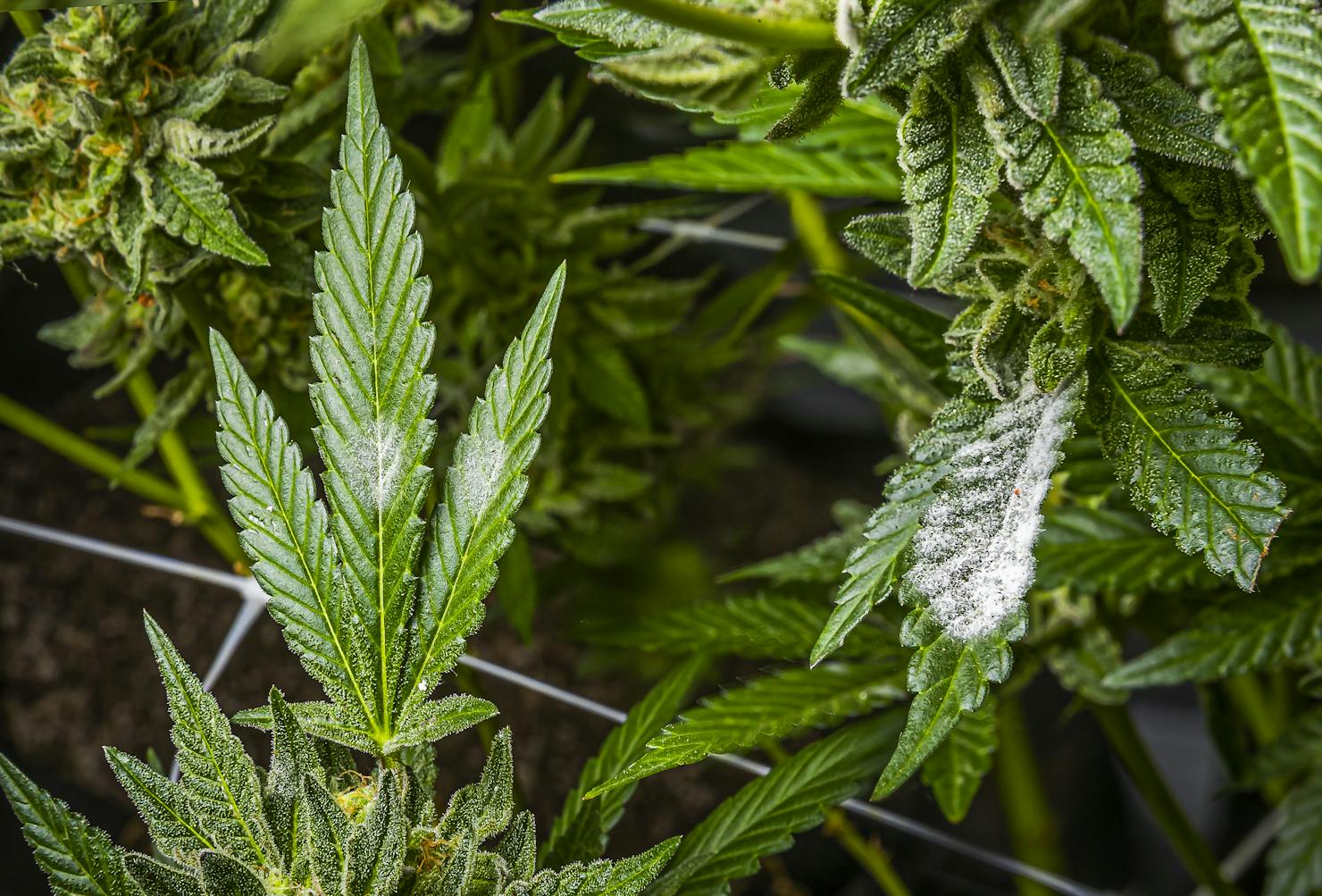
Powdery mildew produces unhealthy mycotoxins, and ruins taste. (Leafly)
Take action post-storm to avoid crop loss. (Leafly)

Mycotoxins are non-living, toxic compounds that are produced as a byproduct of certain molds and fungi. They can sometimes be produced during cannabis cultivation and found on cannabis. Since mycotoxins are known to be dangerous to humans, most jurisdictions with regulated cannabis programs require that cannabis products be tested for mycotoxins before they can be sold to consumers. Still, they are a risk factor for those purchasing cannabis from unregulated markets, where testing usually doesn’t occur. 

“I just tested my crop and there were no mycotoxins present.”

“I shop in the regulated cannabis market to avoid ingesting mycotoxins.” 

What are mycotoxins? 

Mycotoxins are nonliving, toxic compounds that are produced as a byproduct of certain molds and fungi. They grow on many different kinds of agricultural crops, and can sometimes be produced during cannabis cultivation and grow on cannabis. They are particularly likely to develop in warm, moist environments. The two most common mycotoxins found on cannabis products are aflatoxins and ochratoxins.

The danger of mycotoxins 

Mycotoxins are important to be aware of because they are known to be dangerous to humans, animals, and plants. Depending on the type of mycotoxin, exposure could lead to damage to the liver and kidneys, increased risk of certain cancers, and negative effects on the immune system in humans. 

How can you avoid mycotoxins in cannabis?

Since mycotoxins are known to be dangerous to humans, most areas with regulated cannabis programs require cannabis products to be tested for mycotoxins before they can be sold to consumers. Still, they are a risk factor for those purchasing cannabis from unregulated markets, where testing is not required. To keep yourself safe from mycotoxins, make sure any cannabis products you use are tested for mycotoxins before you use them.


Stay In Touch

Receive updates on new products, special offers, and industry news.

Something went wrong, please try again.

By providing us with your email address, you agree to Leafly’s Terms of Service and Privacy Policy.

Leafly mobile app
Get high for less.
Download the Leafly app.
Download Leafly: Marijuana Reviews on the App StoreDownload Leafly Marijuana Reviews on Google Play

Business Solutions
  • List your store
  • List your CBD store
  • List your brand
  • List your practice
  • Business log in

About Leafly
  • About us
  • Careers
  • Newsroom
  • Investor relations
  • Contact us
  • FAQs
  • Accessibility

Dispensaries in
  • Los Angeles
  • Seattle
  • Portland
  • San Francisco
  • Toronto
  • Detroit

Privacy & Terms
  • Terms of use
  • Commercial terms of use
  • Privacy policy
  • Do not sell my personal information

* Statements made on this website have not been evaluated by the U.S. Food and Drug Administration. These products are not intended to diagnose, treat, cure or prevent any disease. Information provided by this website or this company is not a substitute for individual medical advice.


© 2025 Leafly, LLC
Leafly and the Leafly logo are registered trademarks of Leafly, LLC. All Rights Reserved.