Thousands and thousands of California workers unjustly denied jobs or fired for unscientific marijuana tests could get new protections this Labor Day.
Assembly Bill 2188 passed out of the legislature on Aug. 30 and heads to Gov. Gavin Newsom’s desk for either signature or veto. If he signs the bill, workers’ rights takes a huge step forward across America.
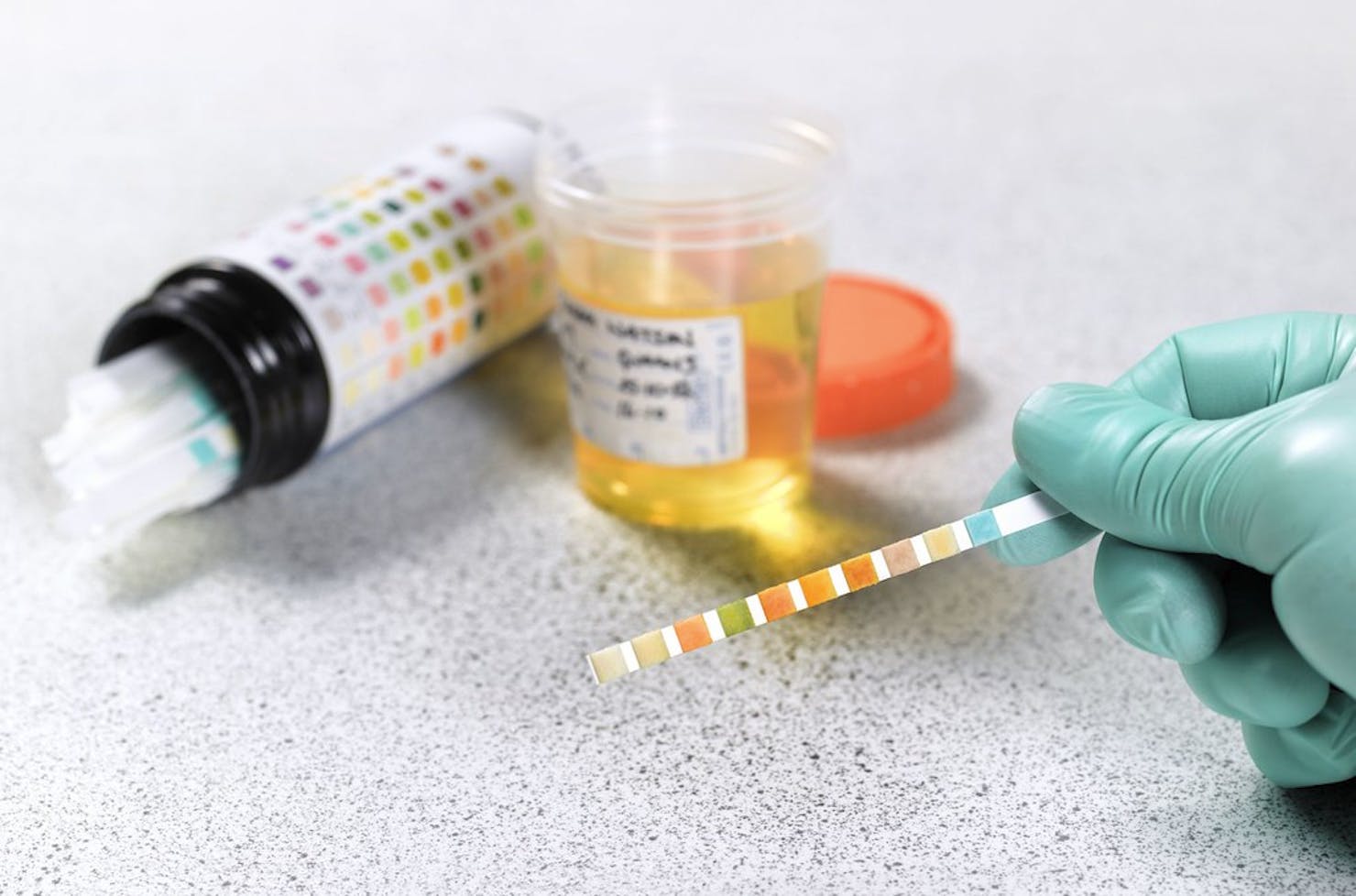
AB 2188 makes it illegal for employers to discriminate against workers solely for off-duty weed use. It would also effectively end pre-employment urine testing, except for federal jobs and those in the building and construction trades.
Assemblymember Bill Quirk from Northern California, a former NASA climate scientist, sponsored the bill. He argues that urine testing workers for pot has no scientific merit. Consumer and patient groups like California NORML and Americans for Safe Access contend that it’s also an unjust giveaway to testing companies. The North American drug testing industry grossed nearly $2B in 2020, with projections estimating $4.5B in revenue by 2028. Leading company Quest Diagnostics performed 11 million screenings in 2021.
“It’s about time that the law kept up with science.”
-Matt Bell, Secretary-Treasurer, UFCW Local 324
“Not a single, scientifically controlled FDA study has shown cannabis metabolite testing to be effective in improving workplace safety or productivity,” California NORML states in a support letter.
A joint you smoked two weeks ago can get you fired when you report to work sober Monday. The Mayo Clinic confirms urine screens do not catch on-the-job impairment. In 2021, a California judge ruled the state could fire a CalTrans worker for a failed urine test. The judge reinstated the worker.
Testing is a cold war on drugs
Despite legalization in 2016, about one in ten employers in California still tests. About one in 20 of those tests comes back positive for pot. Critics say urine testing is part of an ongoing cold war on drugs that victimizes mainly low-income, low-skill workers in economically precarious retail and warehouse jobs.
AB 2188 tells California employers, ‘Do better.’ Bosses would have to screen for active THC, not chemical remnants of the drug.
In opposition statements to the legislature, the California Chamber of Commerce says there is “no way” to screen for active THC. They’re being disingenuous. Urinalysis is Reagan-era technology. In 2022, employers can test saliva or breath for active THC, or just give a coordination test on a smartphone or tablet. California’s unemployment rate sits at a record low 4.2%—businesses cannot afford to dismiss sober, responsible workers.
As Labor Day arrives, two big unions, the UFCW and SEIU, back the workers’ rights bill. Banning work discrimination for off-duty pot use has come up since 2008 in California, when then-Gov. Arnold Schwarzenegger vetoed State Sen. Mark Leno’s bill to do so. California once led the way with medical legalization in 1996 but has since fallen behind. Twenty-one states already have medical cannabis workers’ rights laws, and five states, including Illinois and New York, protect recreational consumers.
“California has always led the nation in cannabis industry policies, and with AB 2188, we have the opportunity to lead once again by prohibiting discrimination against workers who legally consume cannabis when they are off the job,” stated Matt Bell, the Secretary-Treasurer of UFCW Local 324. “Using outdated cannabis tests only causes employees to feel unsafe and harassed at work, it does not increase workplace safety. UFCW members are proud to support AB 2188 because it’s about time that the law kept up with science.”
Shop highly rated dispensaries near you
Showing you dispensaries nearActivists note that urine testing is a component of systemic classism and racism. The highest rate of drug screenings occurs in the Midwest and the South, and often target warehouse and other blue collar workers of color. In California, employers use urinalysis to avoid paying workman’s compensation for injuries. Workers who vape a delta-8 cartridge on Friday, then get injured while sober at work on Monday, may undergo urine screening to disallow benefits.
If the bill passes, California officials anticipate needing 19 full-time staff members to handle an estimated 500 cannabis discrimination complaints from workers per year.
Employer groups would prefer to retain the right to dismiss sober workers for now.
“I’m proud my union is sponsoring this important bill.”
—Jenny Phan, MedMen Long Beach employee, and a member of UFCW Local 324.
“If California policymakers wish to force a shift towards newer testing technologies—that is one thing…California employers should not have to fight out proper, impairment-based terminations,” the Chamber of Commerce states.
The UFCW states that it’s time for employers to evolve.
“AB 2188 … will start to turn the tide toward far more accurate, modern-day cannabis testing to detect recent use,” said Jenny Phan, an employee at cannabis dispensary MedMen Long Beach, and a member of UFCW Local 324. “I’m proud my union is sponsoring this important bill.”
More work remains to be done. In California, AB 2188 does not address groups like probationers, parolees, seniors on opioids, and pregnant women and mothers—all of whom report THC discrimination by government agencies and healthcare providers.
You can voice your opinion to Gov. Gavin Newsom on this bill, or the dozen other cannabis ones at this link. Politicians listen. Other state legislators can use the bill as model language for their state’s versions.
Happy Labor Day, Leafly Nation.