We use cookies for certain features and to improve your experience. See our Cookie Policy and Privacy Policy to learn more

Leafly

Shop legal, local weed.

Open
advertise on Leafly
ShopDeliveryDispensariesDealsStrainsBrandsProductsLeafly PicksCBDDoctorsCannabis 101Social impact
  • Sign in
  • Create account
  • Strains
  • Shop
  • Shop
  • Delivery
  • Deals
  • Dispensaries
  • CBD Stores
  • Brands
  • Products
  • Leafly Picks
  • Learn
  • Cannabis 101
  • News
  • Leafly Learn
  • Science of cannabis
  • Doctors
  • Social impact
  • Lab partners
  • Download the Leafly App
  • Advertise on Leafly
    • Leafly.comUSA flag
    • Leafly.caCanadian flag
  • Help
  1. Home
  2. News
  3. CBD
  4. Huge decision: FDA won’t restrict CBD sales, calls for ‘new regulatory pathway’ to assure safety
  • News
  • Cannabis 101
  • Growing
  • Strains & products
  • CBD
  • Politics
  • Health
  • Lifestyle
  • Science & tech
  • Industry
  • Reports
  • Canada
  • Podcasts
  • Leafly Lists
CBD

Huge decision: FDA won’t restrict CBD sales, calls for ‘new regulatory pathway’ to assure safety

Bruce Barcott and David DownsLast updated January 26, 2023
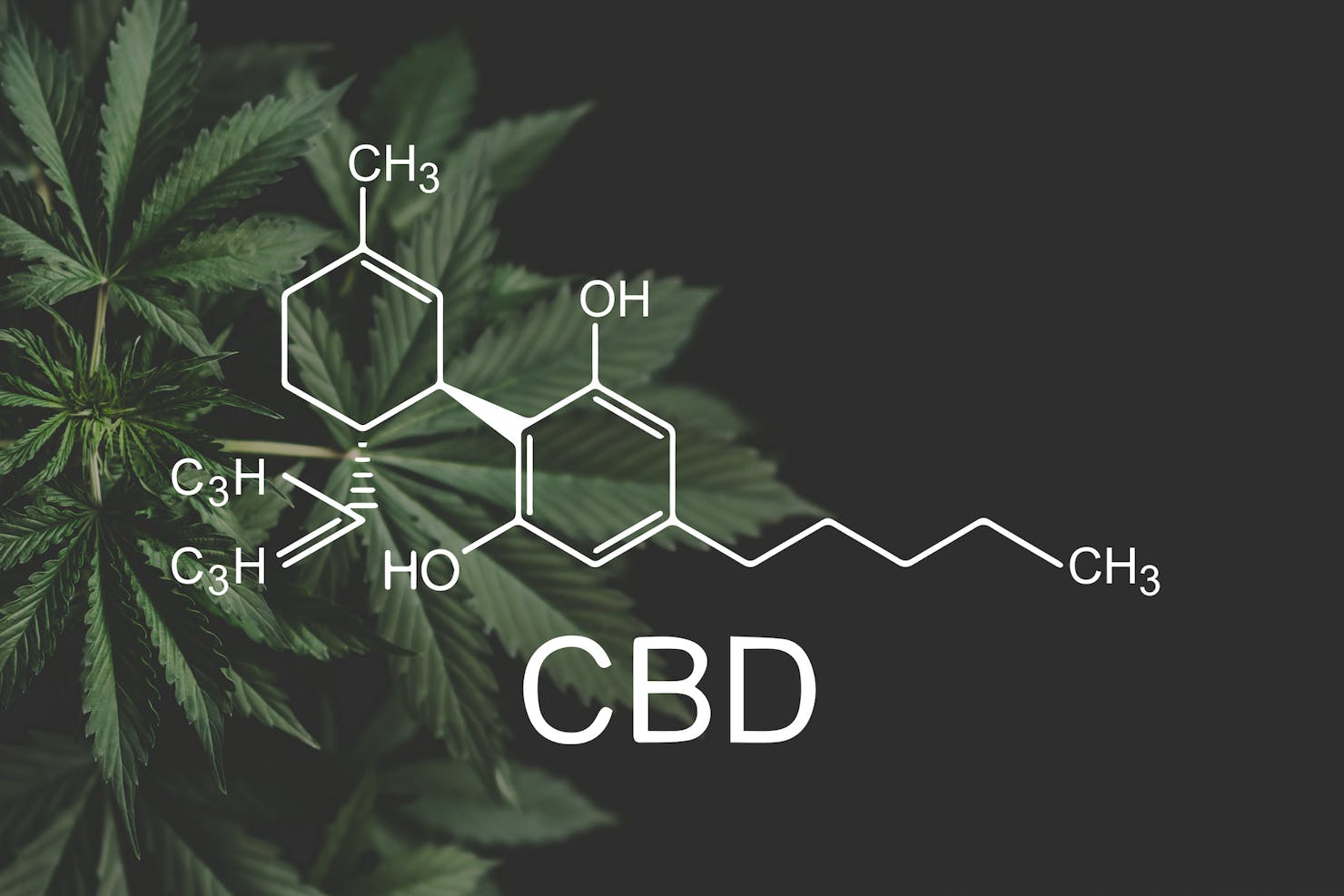
CBD molecule on dark background with cannabis leaves
The FDA has the power to stop the sale of CBD products nationwide. It chose not to do so. Instead, officials want to establish a new regulatory pathway that fits the unique substance.

After a nearly four-year study regarding the best way to regulate CBD, officials at the FDA have concluded that their existing rules don’t fit the unique substance.

What that means to you: The FDA has the power to halt all CBD sales nationwide. They chose not to do so. CBD sales and possession will remain legal, and FDA officials will work with Congress to create a new type of safety protocol for cannabidiol (CBD).

FDA officials first began looking into CBD in earnest in early 2019, when sales began taking off around the nation. Then-FDA Commissioner Ned Sharpless hosted the agency’s first-ever public hearing on CBD, on May 31, 2019, by noting that “we’ve seen an explosion of interest in products including CBD, [but] there is much we don’t know.”

After 10 hours of testimony at that hearing, two things had become clear: The American public had a strong desire for CBD products, and too many CBD manufacturers were delivering shoddy goods.

Shortly after, FDA officials announced the formation of a high-level agency study group to explore potential regulatory pathways for CBD products.

Related
5 takeaways from the FDA’s hearing on CBD

FDA wants “a new regulatory pathway” for CBD

In today’s announcement, FDA Principal Deputy Commissioner Janet Woodcock said: “Today we are announcing that after careful review, the FDA has concluded that a new regulatory pathway for CBD is needed that balances individuals’ desire for access to CBD products with the regulatory oversight needed to manage risks.”

“The agency is prepared to work with Congress on this matter. Today, we are also denying three citizen petitions that had asked the agency to conduct rulemaking to allow the marketing of CBD products as dietary supplements.”

In other words, FDA officials found that CBD shouldn’t be heavily regulated like a pharma-derived prescription drug (a process that would take years), nor should it be relatively unregulated like a dietary supplement.

Recognizing that the existing rules don’t fit CBD

Today’s announcement marks a historic acknowledgment from a major federal government agency. Cannabidiol, like cannabis itself, is a substance that refuses to sit easily within the strict definitions and pathways created for most regulated substances. But instead of simply outlawing CBD, and creating a dangerous illicit market, FDA officials have acknowledged that existing regulatory structures need to be expanded in order to safeguard public health.

“A new regulatory pathway would benefit consumers by providing safeguards and oversight to manage and minimize risks related to CBD products,” said FDA officials in the announcement. “Some risk management tools could include clear labels, prevention of contaminants, CBD content limits, and measures, such as minimum purchase age, to mitigate the risk of ingestion by children. In addition, a new pathway could provide access and oversight for certain CBD-containing products for animals.”

Shop highly rated dispensaries near you

Showing you dispensaries near
See all dispensaries
  • Loading...
    Loading...Loading...
    Loading...
    Loading...Loading...
    Loading...Loading...
  • Loading...
    Loading...Loading...
    Loading...
    Loading...Loading...
    Loading...Loading...
  • Loading...
    Loading...Loading...
    Loading...
    Loading...Loading...
    Loading...Loading...
  • Loading...
    Loading...Loading...
    Loading...
    Loading...Loading...
    Loading...Loading...
  • See all dispensaries
See all dispensaries

“The FDA’s existing foods and dietary supplement authorities provide only limited tools for managing many of the risks associated with CBD products. Under the law, any substance, including CBD, must meet specific safety standards to be lawfully marketed as a dietary supplement or food additive.”

After careful review, the FDA has concluded that a new regulatory pathway for CBD is needed that balances individuals’ desire for access to CBD products w/ the regulatory oversight needed to manage risks. We're prepared to work w/ Congress on this matter. https://t.co/cz2LpCpr9Wpic.twitter.com/VRciiVS9nJ

— U.S. FDA (@US_FDA) January 26, 2023

A product that defies conventional categories

The FDA seems to be acknowledging the reality that CBD does not fit into the neat boxes of food, dietary supplement or drug. It’s definitely a ‘botanically-derived drug substance,’ but its current uses blow up the FDA’s limited boxes.

CBD is generally safe enough to fall outside the parameters of controlled substances. But adverse reactions from tainted or mislabeled products make it a bigger regulatory concern than a supplement like creatine, or a food product.

And its use is widespread among the general public. A 2022 survey found that 26% of Americans used CBD over the past year, and 64% of CBD users chose to consume CBD for pain management.

Leafly’s CBD reporting has found that consumers are using the molecule for a wide variety of conditions, including seizure disorders, anxiety, and pain. Other conditions that may be affected by CBD include menopause symptoms and opioid withdrawal.

National CBD legalization happened via Congress in 2018

CBD was effectively legalized nationwide in 2018, when Congress passed a farm bill that allowed the legal production of hemp. Hemp is cannabis that contains less than 0.3% THC. With the legalization of hemp, manufacturers became able to extract CBD from federally-legal hemp—which effectively made it legal to sell CBD in all states, regardless of local marijuana laws.

All about CBD

CBD newsletter: Google loosens ad ban, new report exposes gummy testing, FDA plots new regs image
Image Not Found
CBD
CBD newsletter: Google loosens ad ban, new report exposes gummy testing, FDA plots new regs
Max Savage Levenson
January 18, 2023
CBD vs. THC: What’s the difference? image
Image Not Found
CBD
CBD vs. THC: What’s the difference?
Leafly Staff
May 12, 2022
How cannabidiol (CBD) works for treating anxiety image
Image Not Found
CBDHealth
How cannabidiol (CBD) works for treating anxiety
Jeremy Kossen
October 13, 2016

Shop highly rated dispensaries near you

Showing you dispensaries near
See all dispensaries
  • Loading...
    Loading...Loading...
    Loading...
    Loading...Loading...
    Loading...Loading...
  • Loading...
    Loading...Loading...
    Loading...
    Loading...Loading...
    Loading...Loading...
  • Loading...
    Loading...Loading...
    Loading...
    Loading...Loading...
    Loading...Loading...
  • Loading...
    Loading...Loading...
    Loading...
    Loading...Loading...
    Loading...Loading...
  • See all dispensaries
See all dispensaries
cbdFDA
Bruce Barcott and David Downs
Bruce Barcott is Leafly's deputy editor and the author of 'Weed the People: The Future of Legal Marijuana in America.' David Downs is Leafly's California bureau chief and the author of 'Beyond Buds' and 'The Medical Marijuana Guidebook.'
View Bruce Barcott and David Downs's articles

The latest in CBD

  • USC Trojans launch first-ever Cookies CBD partnership image
    USC Trojans launch first-ever Cookies CBD partnership
    Max Savage Levenson
  • Forbidden V CBD—Canndigenous, Wisconsin, winter 2024 image
    Forbidden V CBD—Canndigenous, Wisconsin, winter 2024
    Max Savage Levenson
  • Cannabis companies begin fundraising for Maui disaster relief image
    Cannabis companies begin fundraising for Maui disaster relief
    Leafly Staff
  • Leafly’s top CBD strains—Summer 2023 image
    Leafly’s top CBD strains—Summer 2023
    Max Savage Levenson
Get good reads, local deals, and strain spotlights delivered right to your inbox.

By providing us with your email address, you agree to Leafly's Terms of Service and Privacy Policy.


Stay In Touch

Receive updates on new products, special offers, and industry news.

Something went wrong, please try again.

By providing us with your email address, you agree to Leafly’s Terms of Service and Privacy Policy.

Leafly mobile app
Get high for less.
Download the Leafly app.
Download Leafly: Marijuana Reviews on the App StoreDownload Leafly Marijuana Reviews on Google Play

Business Solutions
  • List your store
  • List your CBD store
  • List your brand
  • List your practice
  • Business log in

About Leafly
  • About us
  • Careers
  • Newsroom
  • Investor relations
  • Contact us
  • FAQs
  • Accessibility

Dispensaries in
  • Los Angeles
  • Seattle
  • Portland
  • San Francisco
  • Toronto
  • Detroit

Privacy & Terms
  • Terms of use
  • Commercial terms of use
  • Privacy policy
  • Do not sell my personal information

* Statements made on this website have not been evaluated by the U.S. Food and Drug Administration. These products are not intended to diagnose, treat, cure or prevent any disease. Information provided by this website or this company is not a substitute for individual medical advice.


© 2025 Leafly, LLC
Leafly and the Leafly logo are registered trademarks of Leafly, LLC. All Rights Reserved.